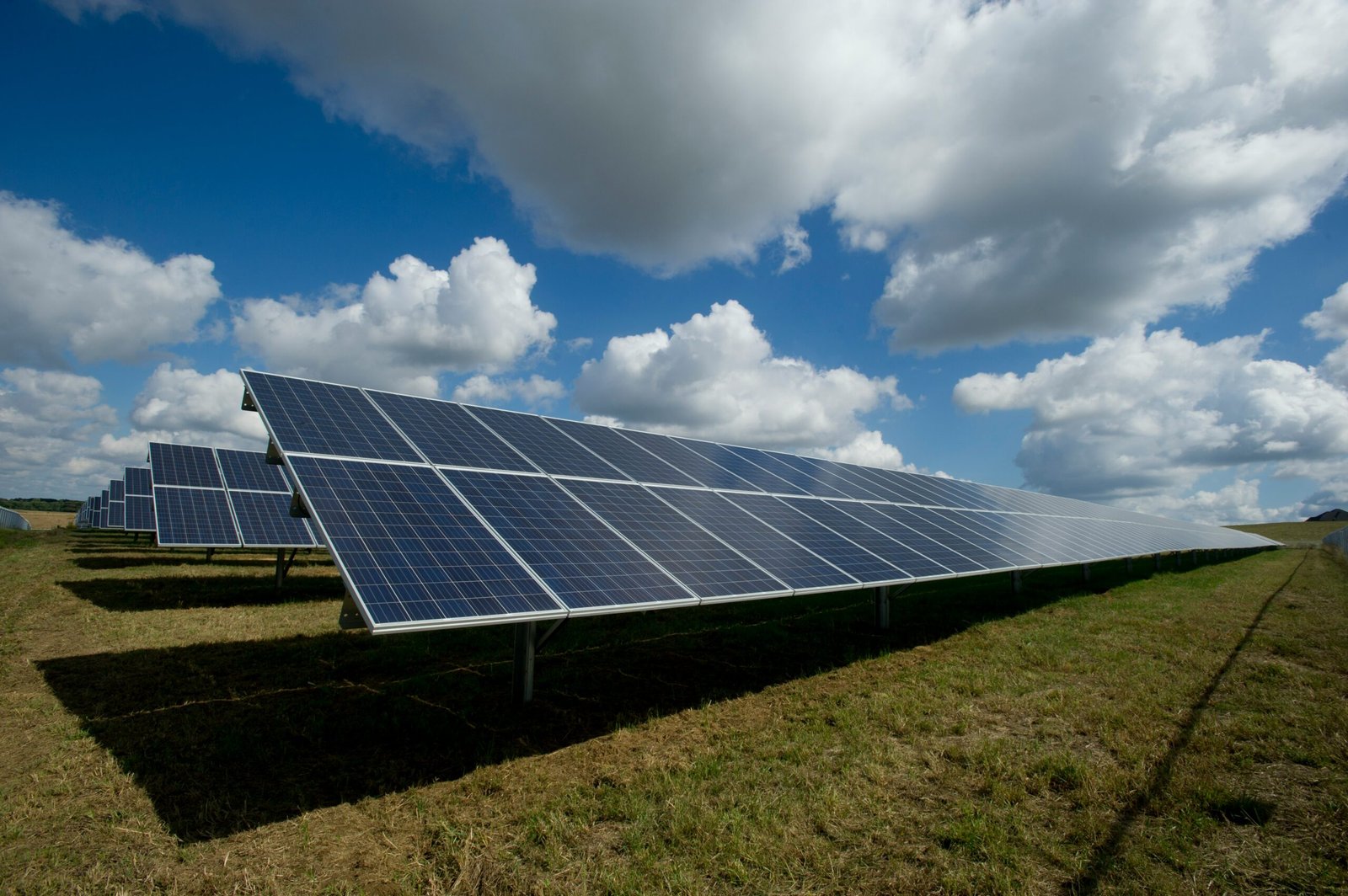
Reduces Proposed Solar Panel Tax
The Pakistani government reduced the sales tax on imported solar panels from 18% to 10% after facing backlash, balancing rising solar energy costs with IMF obligations.
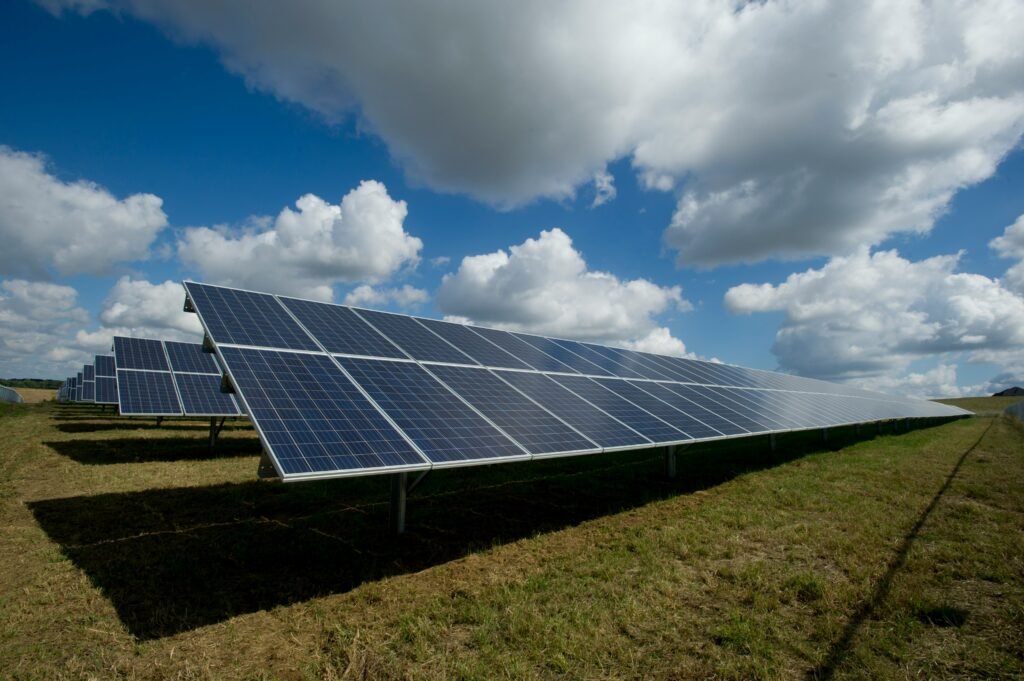
After strong pushback from lawmakers and coalition partners, the federal government has agreed to lower the proposed sales tax on imported solar panels from 18% to 10%. The decision comes after a wave of concern over the rising costs of solar energy, which many believe could slow down Pakistan’s already fragile progress toward sustainable and affordable energy solutions.
Initially, the government had proposed an 18% sales tax on solar panel imports as part of its new fiscal measures. However, the plan quickly faced criticism from both the public and political allies, who argued that taxing solar energy in a country facing regular power shortages and high electricity costs made little sense.
Lawmakers had even demanded a zero-percent tax, aiming to completely exempt solar panels from sales tax to keep clean energy accessible and affordable. Unfortunately, this demand hit a wall due to Pakistan’s ongoing agreement with the International Monetary Fund (IMF).
Under the IMF deal, the government is required to impose a minimum 10% sales tax on any products that were previously zero-rated (meaning tax-free). Moreover, for products that already had more than a 5% tax, the rate needs to go up to 18%. These conditions are part of the broader strategy to improve tax revenue and reduce fiscal deficits—a key part of Pakistan’s commitment to the IMF.
So, while the full exemption on solar panels couldn’t be granted, the government successfully negotiated a reduction from the proposed 18% down to 10%, which is the minimum allowed under the IMF framework.
An official announcement of the revised tax rate is expected later today.
Why This Matters
Pakistan is currently dealing with an energy crisis, and many households and businesses have turned to solar energy as an alternative. Affordable access to solar panels is critical to reducing dependence on the national grid, lowering electricity bills, and moving toward cleaner, greener energy.
An 18% tax would have made solar panels significantly more expensive, potentially discouraging people from investing in solar power. By bringing it down to 10%, the government is trying to balance its international obligations with domestic energy needs and public interest.
This decision is being seen as a pragmatic compromise—not a complete win for solar energy advocates, but a step in the right direction considering the current economic constraints.